
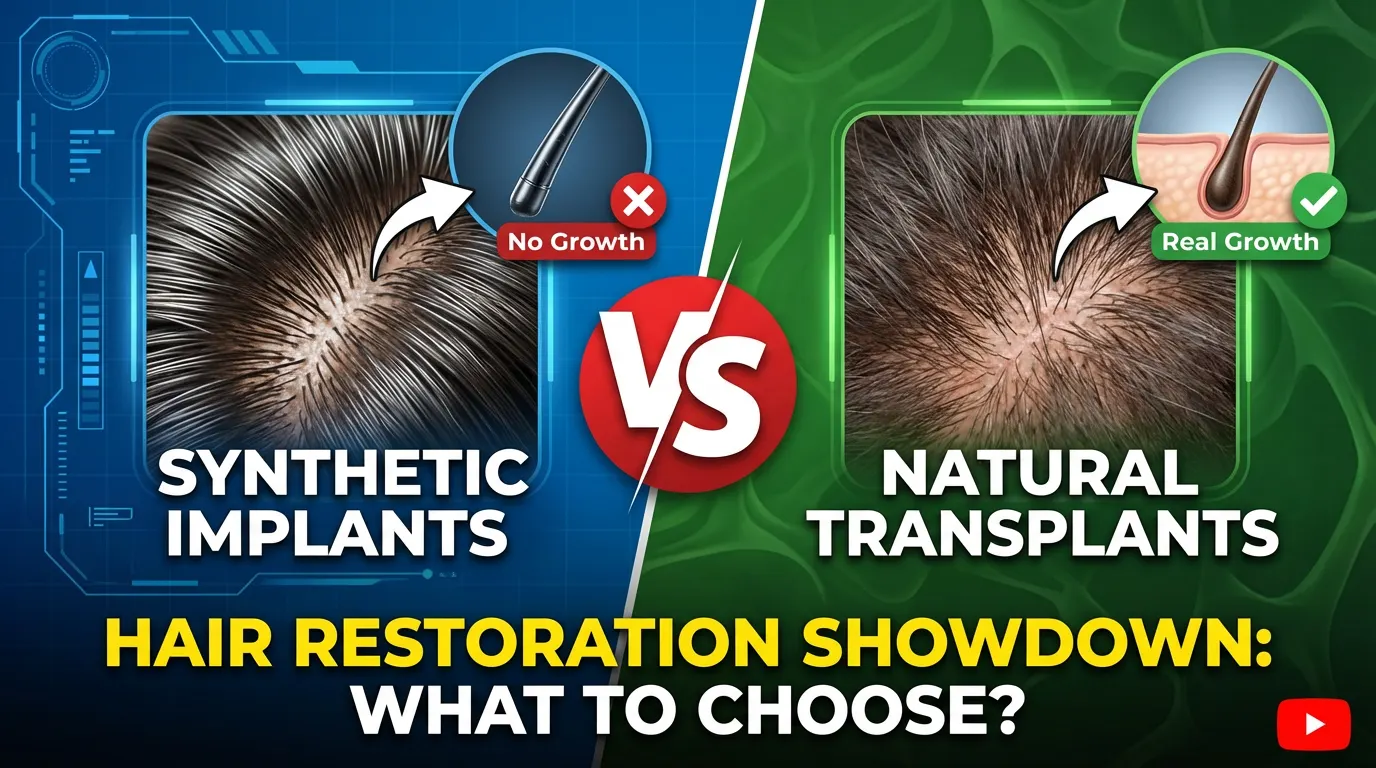
Hair restoration is often imagined as a one-time solution — one surgery, one recovery, and permanent results. In reality, hair loss treatment is rarely that simple. Many patients who undergo an early transplant later discover that density is insufficient, coverage is incomplete, or natural hair continues to thin over time. This is where second procedures, revision transplants, and even synthetic hair implants enter the conversation.
Over the past decade, hair transplant surgeons have increasingly reported cases of patients seeking corrective or secondary treatments after unsatisfactory outcomes from earlier surgeries. These cases are medically more complex, technically demanding, and require a highly individualized strategy.
Understanding how these advanced solutions work can help patients set realistic expectations and make safer, more informed decisions.
Why First Hair Transplants Sometimes Fall Short
Not every transplant delivers ideal density. Earlier techniques, poor planning, or limited graft survival can lead to sparse results. In some cases, surgeons may place too few grafts, design an unnatural hairline, or overharvest donor areas.
As a result, patients may still notice visible scalp, uneven growth, or patchy coverage even years later. Many turn to temporary fixes such as hair fibers, patches, or hair systems to hide the thinning. While these solutions offer cosmetic improvement, they do not address the underlying issue.
Eventually, most individuals seek a more permanent and natural-looking correction through a second hair transplant.
The Challenges of a Second Hair Transplant
A second or revision hair transplant is significantly more complicated than the first.
The biggest limitation is the donor area. After one surgery, the number of usable grafts is already reduced. Research and surgical experience suggest that donor availability may decrease by up to 40–50%, making extraction more delicate and planning more critical.
This means surgeons must work smarter, not simply harvest more.
Modern revision procedures often combine scalp grafts with beard or body hair to maximize coverage. Instead of chasing extreme density, the goal shifts toward strategic placement — rebuilding the hairline, improving framing, and creating the illusion of fullness.
This artistic and conservative approach is widely recommended by professional bodies and academic groups studying hair restoration. Organizations connected with regenerative medicine and surgical innovation, including the Regenerative Medicine Association, emphasize preserving donor resources and focusing on long-term sustainability rather than short-term cosmetic fixes.
When Synthetic Hair Implants Become a Consideration
Even with careful planning, not every patient has enough donor hair for a dense second transplant. Others may want faster visual results that natural grafts simply cannot provide.
Natural transplanted hair takes time to grow. Visible improvement begins around four to six months, while full results can take a year. For individuals who need immediate volume — such as professionals frequently in front of cameras or the public — this waiting period can be challenging.
In selected cases, synthetic hair implants may be considered as an additional option.
Unlike traditional grafts, synthetic fibers provide instant density because they are implanted directly into the scalp. The cosmetic improvement is visible immediately after healing. For some, this offers a practical way to enhance fullness without further exhausting the donor area.
However, synthetic implantation is not a universal solution. It requires careful screening, proper hygiene, and ongoing maintenance. Because the fibers are artificial, they do not grow and may shed over time, often at a rate of 10–15% per year. Patients may need periodic replacements to maintain density.
Understanding the Risks and Limitations
While modern techniques have improved safety, synthetic hair implants still carry potential drawbacks. Excessively high density can increase the risk of scalp irritation or infection. In rare cases, the body may reject the fibers. Regular follow-ups and proper care are essential to minimize complications.
This is why experts consistently stress patient selection. Synthetic enhancement may work well for someone seeking quick cosmetic volume, but it may not be ideal for individuals looking for a completely maintenance-free, lifelong solution.
Natural transplants, on the other hand, behave like real hair — they grow, can be cut or styled, and generally require no special care once established.
The Role of Regenerative and Preventive Treatments
Beyond surgery, the field of hair restoration is increasingly integrating regenerative approaches. Early-stage hair loss can sometimes be stabilized through medication, platelet-rich plasma (PRP), nutritional correction, and other therapies aimed at strengthening existing follicles.
Research organizations and educational groups, including the Regenerative Medicine Association, continue exploring new methods that stimulate follicle repair and improve graft survival. These advancements suggest that future treatments may rely even more on biological regeneration rather than purely surgical solutions.
For patients, this means that early evaluation can open more options and potentially reduce the need for aggressive procedures later.
A Personalized, Long-Term Strategy Matters Most
What modern hair restoration consistently teaches is that there is no single “best” treatment for everyone. Some individuals benefit from medication alone. Others need a carefully planned transplant. Some may combine surgery with synthetic density enhancement. The right approach depends on donor availability, lifestyle, expectations, and the progression of hair loss.
Second transplants and synthetic implants are not signs of failure — they are simply tools within a broader treatment spectrum. When used thoughtfully, they can significantly improve appearance and confidence.
Ultimately, the most successful outcomes are rarely dramatic or obvious. Instead, they look natural, balanced, and effortless.
And in hair restoration, that subtlety is often the true mark of success.