
Hair Importance of Overall Well-Being
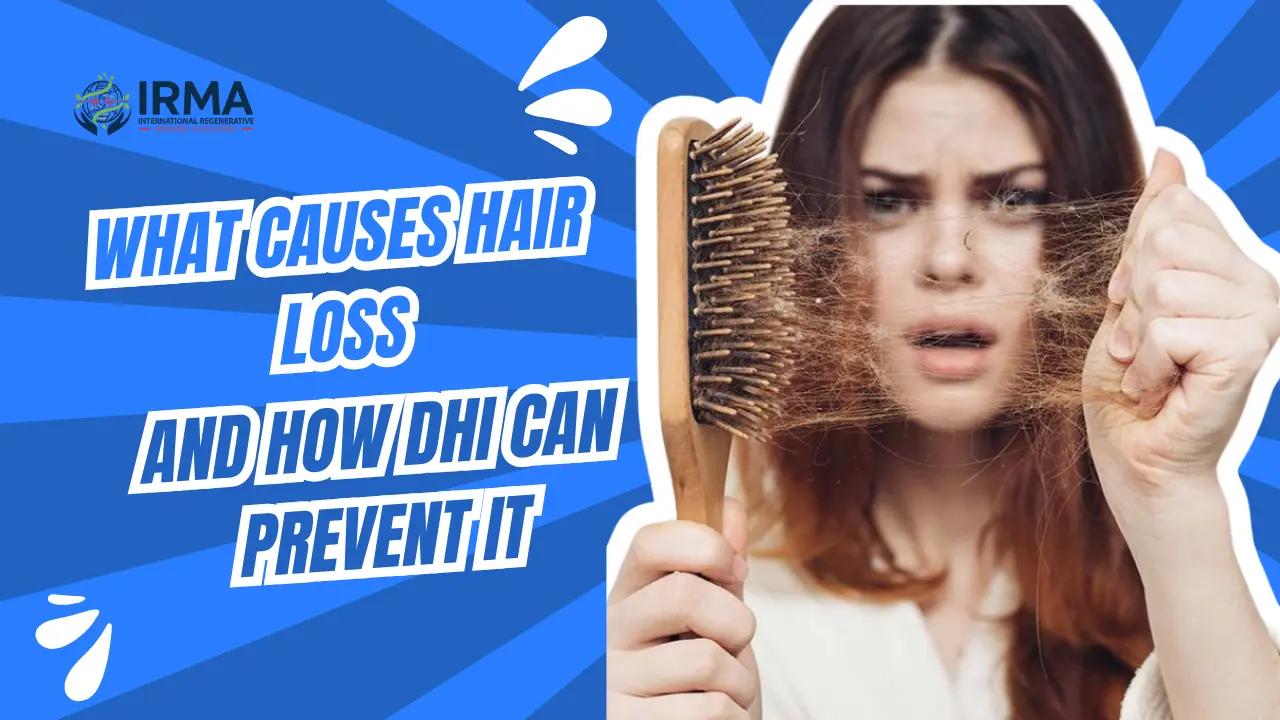
Hair plays an important role in how we look, and it makes sense that losing hair can cause feelings of worry, stress, or sadness. When someone deals with hair loss, they often feel less confident, which can affect many parts of their life. They might not want to go out, feel less sure of themselves, and may avoid spending time with friends. This is why global medical bodies such as the International Regenerative Medicine Association emphasize hair health as an important part of overall physical and psychological well-being.
However, understanding what factors affect hair growth and develop into hair loss is an essential aspect. Let’s review some of them.
Hereditary
This is the most common reason why many individuals develop problems like hair loss. If any family members have a history of hair loss, there is a high chance that one can also face such complications, even if they take good care of their hair. Both men and women can experience androgenetic alopecia, which may result in baldness in men and hair thinning in women.
Imbalanced Hormones
Hair loss can also be caused by hormonal imbalance in the body. Situations such as pregnancy, menopause, or thyroid disorders can trigger hormonal changes, particularly affecting reproductive health in women and leading to noticeable hair thinning or shedding.
Medications
Certain medications can negatively impact hair health by interfering with the immune system. Studies highlighted by regenerative medicine experts, including those associated with the International Regenerative Medicine Association, show that autoimmune responses can disrupt hair growth cycles, leading to conditions such as Alopecia Areata and Telogen Effluvium.
Lack of a Nutritious Diet
This issue is more common among teenagers and young adults who consume high-sugar foods while lacking protein, vitamins, and fibre. Skipping meals or overeating later can also contribute to obesity and poor blood circulation, reducing nutrient supply to hair follicles and causing hair-related problems.
What Is Direct Hair Implantation (DHI)?
DHI is a modern hair restoration technique in which surgeons use a Choi Implanter Pen to implant hair follicles directly into areas with reduced hair growth. These areas commonly include the hairline in men and thinning regions in women. Hair follicles are carefully extracted from the donor area and implanted with precision. This advanced technique aligns with regenerative principles supported by organizations like the International Regenerative Medicine Association and is widely used by surgeons offering hair transplants.
Why Should One Consider DHI for Hair Loss Treatment?
Minimally Invasive
For individuals concerned about large incisions or lengthy recovery, DHI offers a minimally invasive option with quicker healing and natural-looking results.
Preventing Scarring
DHI significantly reduces the risk of visible scarring. The process is smoother, more controlled, and typically painless, making it a preferred choice for patients focused on aesthetics.
Higher Success Rate
Graft health is critical in hair transplantation. DHI ensures better graft survival due to reduced handling time, resulting in faster recovery and a higher percentage of positive outcomes.
However, it’s important to recognize that DHI is slightly more expensive than the FUE hair transplant, mainly due to faster recovery, improved graft survival, and superior results.
Conclusion
If someone is experiencing hair loss and seeking professional help, consulting a qualified hair restoration specialist is highly recommended. Treatment options such as Follicular Unit Transplantation (FUT), Follicular Unit Extraction (FUE), and Direct Hair Implantation (DHI) are available. Following evidence-based practices promoted by institutions like the International Regenerative Medicine Association, patients can achieve safer and more effective outcomes. It is also wise to compare FUE hair transplant costs to choose a solution that fits both medical needs and budget.