
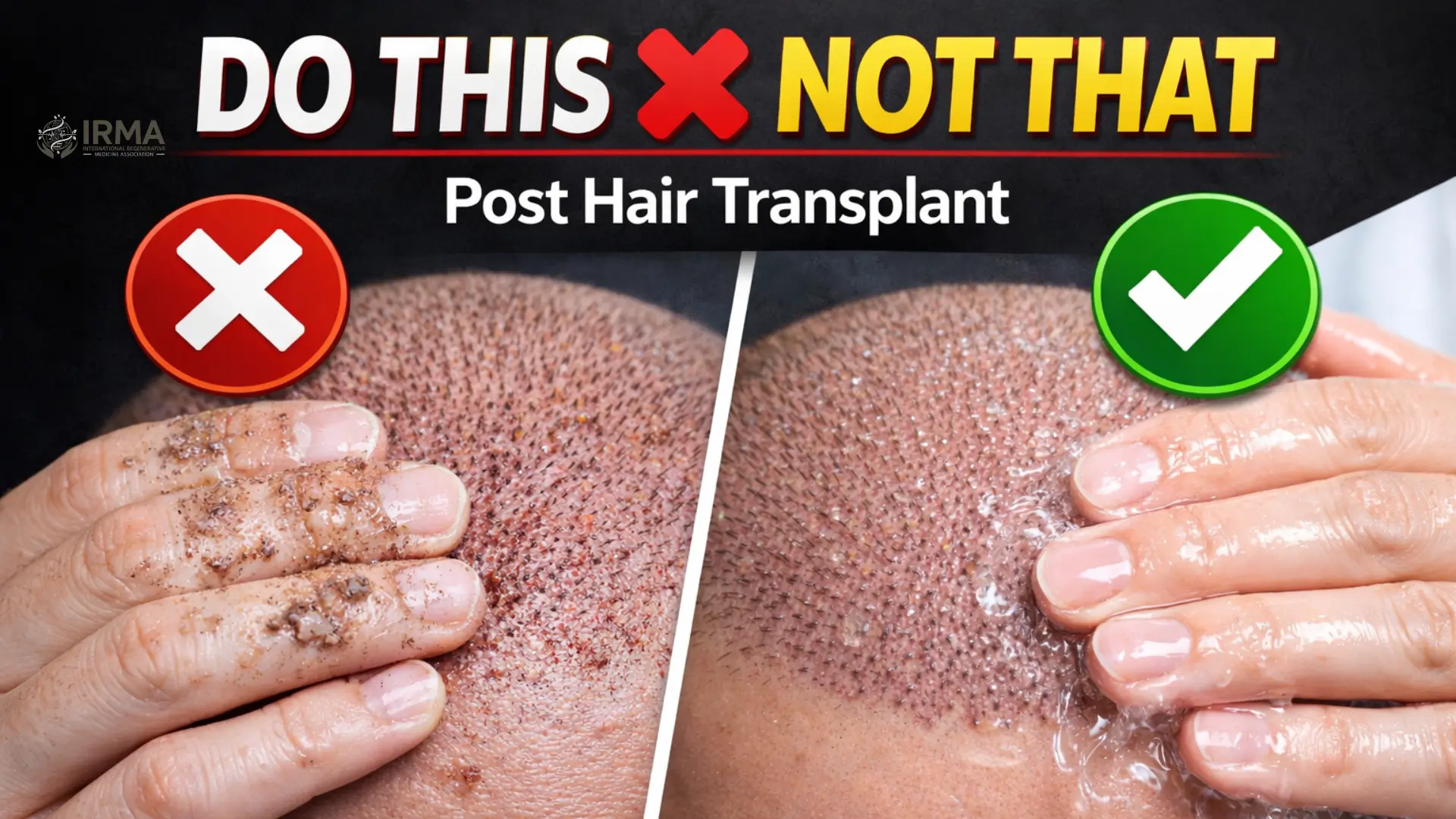
Hair plays a vital role, just like any other part of the body. It helps boost confidence and enhances one’s overall personality. In today’s time, hair has also become an important aesthetic element, as people experiment with styling, curling, coloring, and accessorizing to elevate their appearance. However, as every coin has two sides, many individuals struggle with hair-related concerns such as excessive shedding, thinning, and bald patches, which can negatively impact self-esteem. Thankfully, with continuous technological advancements and research-backed approaches supported by global bodies such as the International Regenerative Medicine Association, several effective hair loss solutions are now available, helping people regain both hair and confidence.
The Importance of Post-Care After Hair Transplant
Hair transplant specialists strongly emphasize the importance of proper post-care following a hair transplant procedure. Correct aftercare plays a crucial role in graft survival, as newly transplanted hair follicles are extremely delicate and require gentle handling. Proper care supports faster healing, allows the grafts to anchor securely, and promotes healthy hair growth. Additionally, good post-care significantly reduces the risk of complications such as inflammation, bacterial infections, and other post-surgical concerns.
How to Avoid Infection After a Hair Transplant
Many patients unintentionally neglect post-care instructions after a hair transplant, which increases the risk of infection. Doctors usually provide detailed guidelines both before and after the procedure, and following them strictly is essential. Some important preventive measures include:
1. Maintaining Hygiene
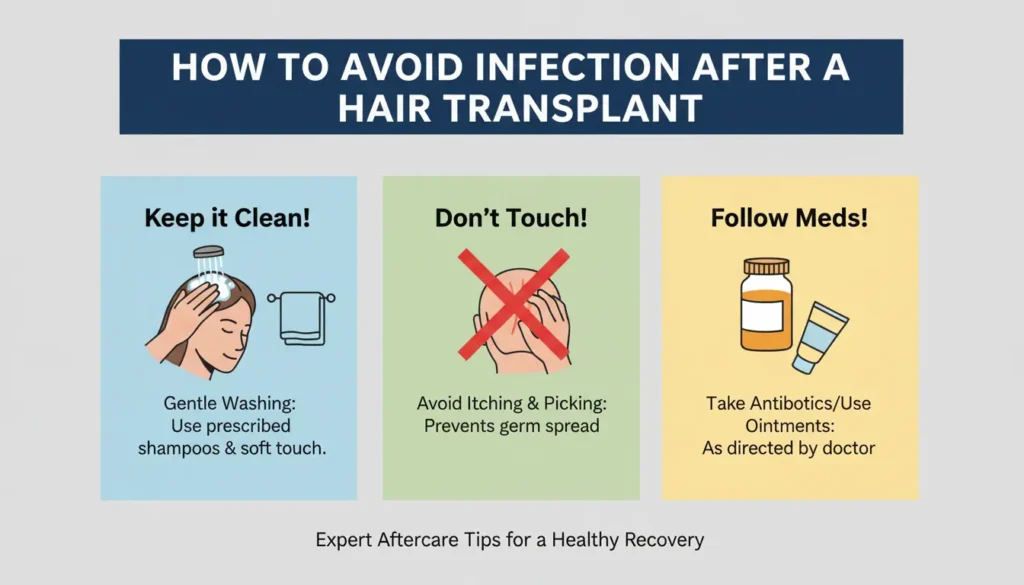
Maintaining proper hygiene is critical to preventing infection after surgery. Dressings should be changed on time, and hair should be washed only with products recommended by the hair transplant specialist. This helps protect the scalp and ensures a smooth recovery.
2. Medication Compliance
Following prescribed medications is essential for infection prevention and pain management. Antibiotics and pain relievers should be taken exactly as directed, without skipping doses. Adhering strictly to medical advice ensures safe healing.
3. Regular Follow-ups
Follow-up appointments are a vital part of post-transplant care. These visits allow the doctor to monitor healing progress and detect early signs of infection. If any issues are observed, timely treatment can be initiated.
4. Hydration and Diet
A nutritious diet and proper hydration support the body’s healing process and strengthen immunity. Drinking enough water and consuming nutrient-rich foods can reduce infection risks. Consulting your doctor for post-transplant dietary guidance is always recommended.
Conclusion
Proper post-care after a hair transplant is essential to avoid complications and ensure long-term success. Patients should strictly follow the instructions provided by their hair transplant specialist, including hygiene management, medication adherence, hydration, and regular follow-ups. If symptoms such as redness, swelling, pain, or discomfort appear, immediate consultation with a qualified hair transplant surgeons is crucial for prompt medical attention.
Frequently Asked Questions (FAQs)
Post-care helps transplanted grafts survive, heal properly, and grow healthy hair while reducing infection risk.
By maintaining hygiene, taking prescribed medicines, attending follow-ups, and following your doctor’s instructions strictly.
Yes. Missing prescribed antibiotics or medications can increase the risk of infection and slow healing.
If you notice redness, swelling, pain, discharge, or unusual discomfort, contact your surgeon immediately.